

Federal Deposit Insurance Corporation
Thanks to the FFIEC, federally registered banks are not allowed to process transactions if they are not FDIC compliant. Started in 1933 to maintain confidence for the American banking system, the FDIC how has over 5,000 banks and savings institutes.

Safety and Consumer Protection

Financial Safety with the FDIC
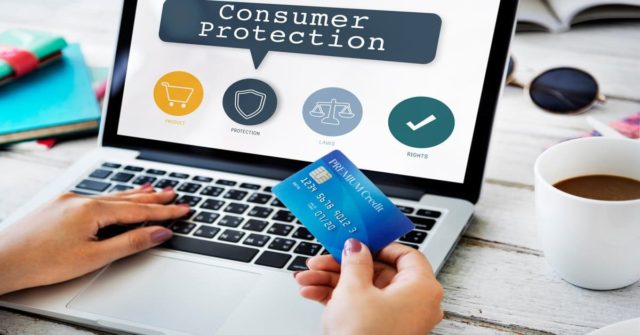
Consumer Protection with the FDIC
Compliance and
Protection

While credit card companies may choose to cover 100% of card theft or 0%, the FDIC strictly limits the fees a consumer is responsible for in the event of a lost or stollen debit card. For any lost card reported within 2 days the consumer is only responsible for $50 of fraudulent charges, whereas if not reported within 2 days, the FDIC still limits the consumer responsibility to only $500 regardless of how much has been charged to the account.
Understanding what the FDIC does, its responsibilities and how it protects consumers is the first step in implementing an effective and compliant system.
While credit card companies may choose to cover 100% of card theft or 0%, the strictly limits the fees a consumer is responsible for in the event of a lost or stollen debit card. For any lost card reported within 2 days the consumer is only responsible for $50 of fraudulent charges, whereas if not reported within 2 days, the still limits the consumer responsibility to only $500 regardless of how much has been charged to the account.
The key to protecting consumer money within the bank is through cybersecurity. Physical cards get lost, but quick resolution through electronic means of freezing and account and limits all access points to the money until the lost or stollen data can be addressed is key to limiting the impact of an event.
Protect your money. Protect the money of your consumers. No matter who’s money you are protecting, getting it right the first time saves everyone grief along the way. Quick response and thorough review of all means of access to consumer money will ensure compliance and protection.
The key to protecting consumer money within the bank is through cybersecurity. Physical cards get lost, but quick resolution through electronic means of freezing and account and limits all access points to the money until the lost or stollen data can be addressed is key to limiting the impact of an event. FDIC

Cont.Industries
AVANTAGEHeadquarters
OUR LOCATIONSWhere to find us?

QuickUseful Links
Copyright All rights reserved.
Copyright All rights reserved.