
Enterprise Application Security
Enterprise Application Security is critical to preventing cyber attackers from stealing sensitive information, interrupting operations and causing damage to your brand and bottom line. Enterprise Application Security requires a multi-vector approach that includes capital investments in people, process, and technology. The addition of application security testing to the software development lifecycle can compromise development timelines if implemented incorrectly.
Having a strategic partnership with Digital Forge can bring together all the required resources and knowledge to ensure your applications are secure and
continue to be delivered on your platform of choice, protecting your brand at every turn.
There are thousands of malicious mobile apps blocked every day, and mobile applications aren’t the only ones that present risks, applications in general present a growing threat landscape. As applications become easier to develop and launch, keeping sensitive information secure becomes a greater challenge.
At Digital Forge, our professional services include application security assessments that keep your organization safe, ensures customer retention, and establishes a competitive edge.
continue to be delivered on your platform of choice, protecting your brand at every turn.
There are thousands of malicious mobile apps blocked every day, and mobile applications aren’t the only ones that present risks, applications in general present a growing threat landscape. As applications become easier to develop and launch, keeping sensitive information secure becomes a greater challenge. Application Defense
At Digital Forge, our professional services include application security assessments that keep your organization safe, ensures customer retention, and establishes a competitive edge.
Our Security Intelligence Experts Provide
- Security misconfiguration
- Malware
- Broken authentication and session management
- Injection attacks
- Cross-site scripting
- Poor access controls
- Sensitive data exposure
Our application security solutions approach focuses on protecting your assets today and keeping them safe in the future through proactive methods that work
There are more than about 24,000 malicious mobile apps blocked every day — that’s a staggering number. Mobile applications aren’t the only ones that present risks; Application Defense in general, especially web-based, present a growing threat. As applications become easier to develop and launch, keeping sensitive information secure becomes a greater challenge.
to identify and remove threats before they become incidents and implement effective monitoring and training on security best practices.
By pairing our expert knowledge with innovative tools and advanced technology, we implement security methods like application security testing, software analysis, application firewalls, denial of service protection, and more to keep your applications secure from the conception and design phase into long after an application has launched.
to identify and remove threats before they become incidents and implement effective monitoring and training on security best practices.
By pairing our expert knowledge with innovative tools and advanced technology, we implement security methods like application security testing, software analysis, application firewalls, denial of service protection, and more to keep your applications secure from the conception and design phase into long after an application has launched. Application Defense
Planning Systems
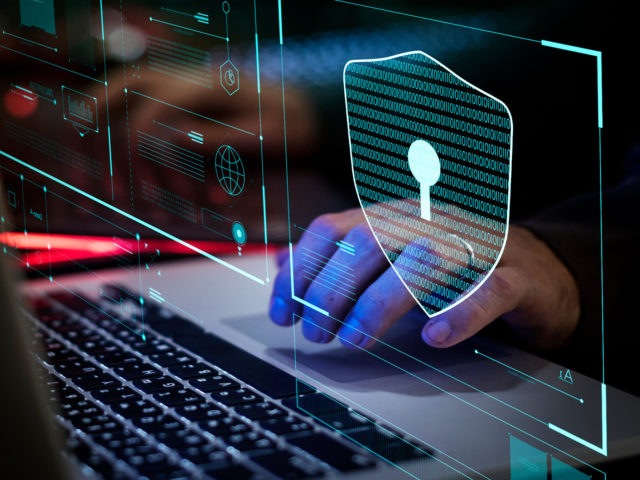
With ERPs increasingly under cyber attack, valuable data and processes can be used for fraud, espionage, and business sabotage.

Cyber Attacks
for ERPs
Application Defense
Electronic Health and Patient Records
Given the gravity of the cybersecurity issue—especially within the healthcare community—it’s no surprise that the US Department of Health and Human Services (HHS) has created a Cybersecurity and Communications Integration Center. The Centers for Medicare and Medicaid Services (CMS) is also considering developing a similar program.
The importance of data security is not new, and what’s driving this collective push for industry-wide education is the lack of proper cybersecurity education across the healthcare industry,
Given the gravity of the cybersecurity issue—especially within the healthcare community—it’s no surprise that the US Department of Health and Human Services (HHS) has created a Cybersecurity and Communications Integration Center. The Centers for Medicare and Medicaid Services (CMS) is also considering developing a similar program.
The importance of data security is not new, and what’s driving this collective push for industry-wide education is the lack of proper cybersecurity education across the healthcare industry, Application Defense
as well as a renewed push to teach providers how to properly safeguard their patient data seems directly linked to the mass proliferation of cloud-based technologies serving the healthcare space. Mobile apps and wearable devices are already becoming ubiquitous within the healthcare ecosystem—and this is just the beginning. Given the tremendous benefits that these, as well as other, technological advancements offer providers and their patients, we must remind ourselves that these systems and processes are susceptible to cybersecurity threats.
as well as a renewed push to teach providers how to properly safeguard their patient data seems directly linked to the mass proliferation of cloud-based technologies serving the healthcare space. Mobile apps and wearable devices are already becoming ubiquitous within the healthcare ecosystem—and this is just the beginning. Given the tremendous benefits that these, as well as other, technological advancements offer providers and their patients, we must remind ourselves that these systems and processes are susceptible to cybersecurity threats. Application Defense
Proactive Planning Against Data Breaches
Data flows in and out of healthcare systems in a number of ways, but the main information hubs of Electronic Health Records (EHR) represent the biggest security concern for most providers and hospitals. Among EHRs, cloud-based systems have become popular because they help providers collaborate and manage the exchange of relevant data more effectively. The ability to access and share vital patient information in a rapidly changing healthcare environment is a critical requirement for all health practitioners. That same portability increases the risk of potential threats to data integrity.
Proactive Planning Against Data Breaches
Data flows in and out of healthcare systems in a Application Defense number of ways, but the main information hubs of Electronic Health Records (EHR) represent the biggest security concern for most providers and hospitals. Among EHRs, cloud-based systems have become popular because they help providers collaborate and manage the exchange of relevant data more effectively. The ability to access and share vital patient information in a rapidly changing healthcare environment is a critical requirement for all health practitioners. That same portability increases the risk of potential threats to data integrity.

Customer Relationship
Management
CRM systems help organizations store customer data, and in turn foster customer relationships, find prospective clients, gain a competitive edge, and increase revenue.
Since CRM systems store so much sensitive customer data, they are increasingly the target of cyber attacks. If your CRM data is hacked, it can destroy customer trust and relations, and ultimately sabotage your organization. Factors such as big rewards, known vulnerabilities, leaked information, and an expanding attack surface make CRM systems even more appealing to hackers.

Secure Your CRM
System From Cyber Attacks
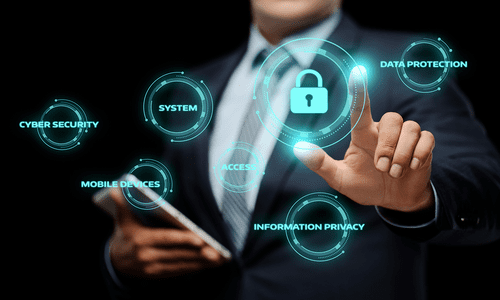
Find a trusted CRM Provider: When a hacker targets your CRM system, they will first focus on your CRM provider to determine any known vulnerabilities they can utilize, so choosing a trusted and secure CRM provider with effective cyber defense will limit your risks.
Establish Complete Security for Your Data Infrastructure
A trusted CRM provider will keep your CRM system secure and your customer data safe, but for complete security, it’s your responsibility to take additional measures via multi-layered security solutions to ensure that the IT infrastructure that supports your CRM is secure.
Implement an effective firewall that will give you the power to control data access and permissions,
stay on top of updates, ensure that all data is encrypted, and monitor CRM activity consistently.
Train and Educate Employees
Insider threats caused by improper employee training are a significant cause of cyber attacks and security breaches, and effective cyber defense involves your entire organization. Conduct a security audit to determine vulnerabilities in security protocols and establish security solutions to solve them.
Once stringent security protocols are established, provide adequate training for all employees. Training should involve proper use of software, hardware, and data, and education on safe web browsing, the appropriate way to access sensitive data, and effective password use.

Cont.Industries
AVANTAGEHeadquarters
OUR LOCATIONSWhere to find us?

QuickUseful Links
Copyright All rights reserved.
Copyright All rights reserved.